
Preventing wildlife collisions in new ways
Wildlife fences and wildlife crossings are expensive – and they have mixed results. Now researchers have studied what is needed to prevent cars and trains from colliding with animals.
Wildlife fences and wildlife crossings are expensive – and they have mixed results. Now researchers have studied what is needed to prevent cars and trains from colliding with animals.

Svalbard’s cultural heritage and infrastructure face increasing risks as climate change accelerates permafrost thaw and ground instability. The PermaRICH project unites experts across disciplines to evaluate these risks, and guide stakeholders...
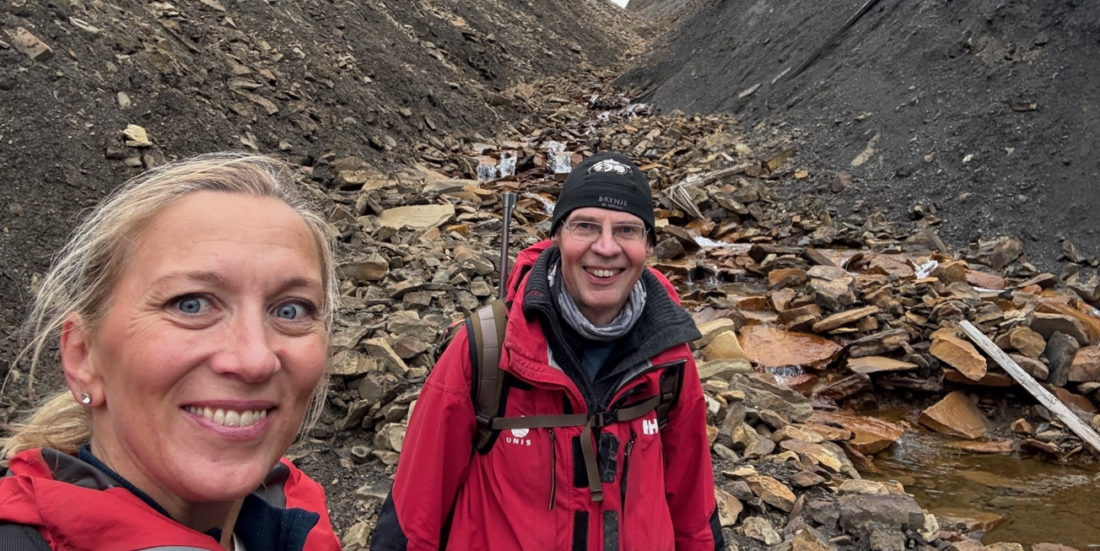
With increased pressure on the Arctic, a secure water supply is becoming a critical part of emergency preparedness in Svalbard. Now researchers are investigating how Longyearbyen’s only source of drinking water can be better secured.

Climate change is increasing the risk of flooding and other extreme events across Norway, placing greater emphasis on climate adaptation measures that deliver the highest socio-economic benefit.

European coastal areas are under increasing pressure. Researchers are investigating ways to reverse this trend and help communities adapt to climate change.

UNCDF and SINTEF join forces to explore how bold concepts can become practical solutions – across technology, policy, finance, and collaboration.

A new tool is helping researchers simulate erosion and climate change, turning data into action.

Premature babies are particularly susceptible to strong sensory impressions and high sound levels from the incubator. Now researchers will look at what can be done to protect children’s hearing and development.

You’ve just bought a new apartment. The developer followed the minimum building code requirements. So shouldn’t everything be in order? Extensive research indicates that the answer is unfortunately no.